
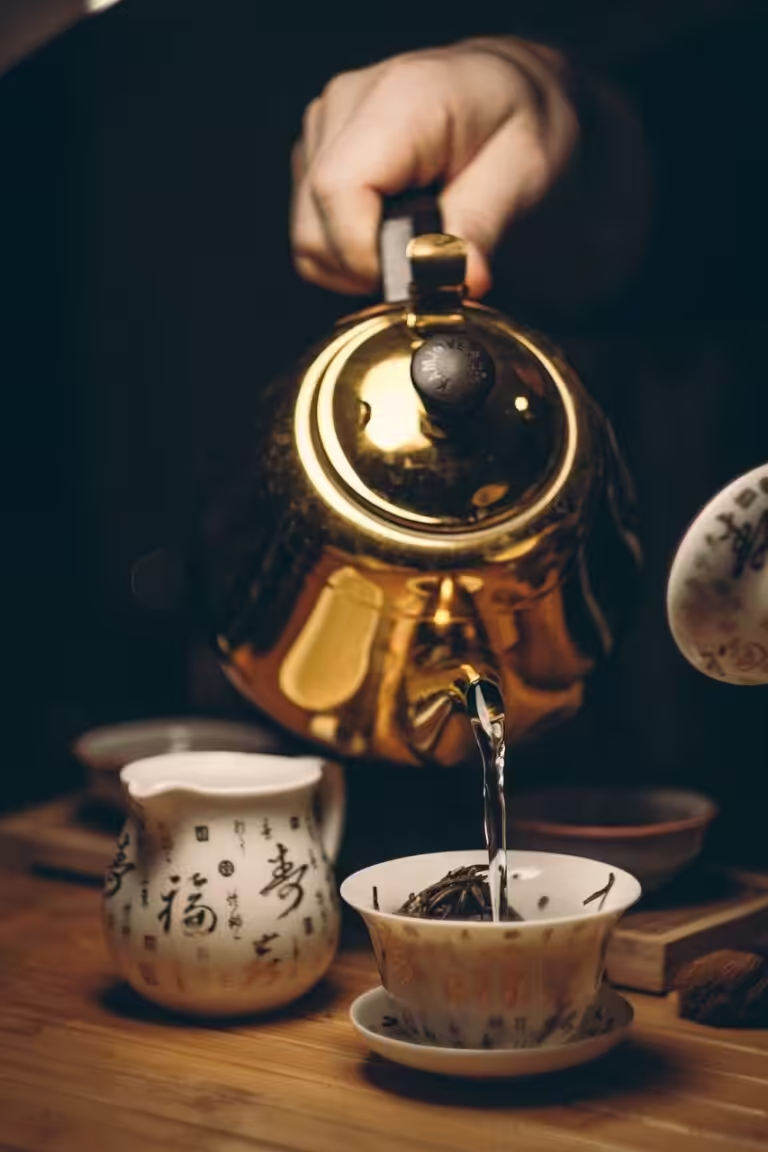
11 facts about black tea
Drinking tea is part of everyday life in Iran, just as drinking coffee is for us. Tea also plays an important role in hospitality - you rarely come with a cup of tea.
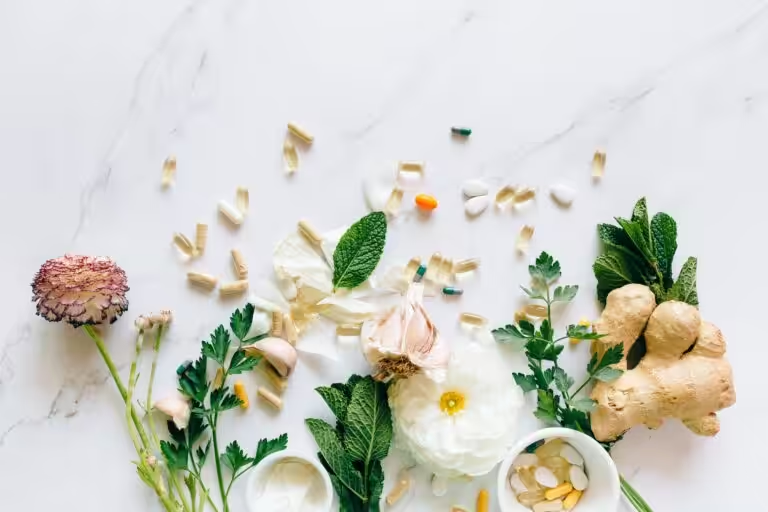
Medicinal use of saffron
Saffron has been valued for centuries for its healing properties and is particularly useful in the treatment of gastrointestinal disorders. But it can also be used for a variety of other
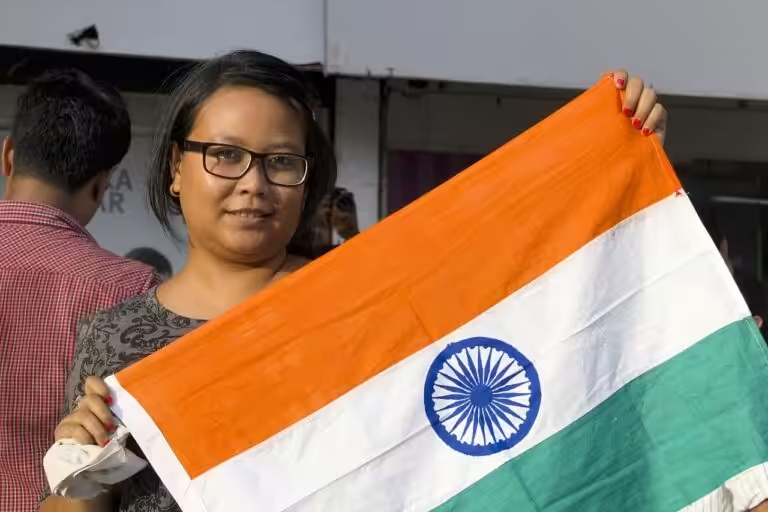
Saffron in flags as a colouring agent
Saffron is a yellow or orange colour obtained from the tip of the saffron crocus thread. The colour of the spice saffron is mainly due to the

Die Geschichte des Safrans
Die Geschichte des Safrans vom Anbau bis zur Verwendung reicht mehr als 3.500 Jahre zurück und durchzieht mehrere Kulturen, Kontinente und Zivilisationen.
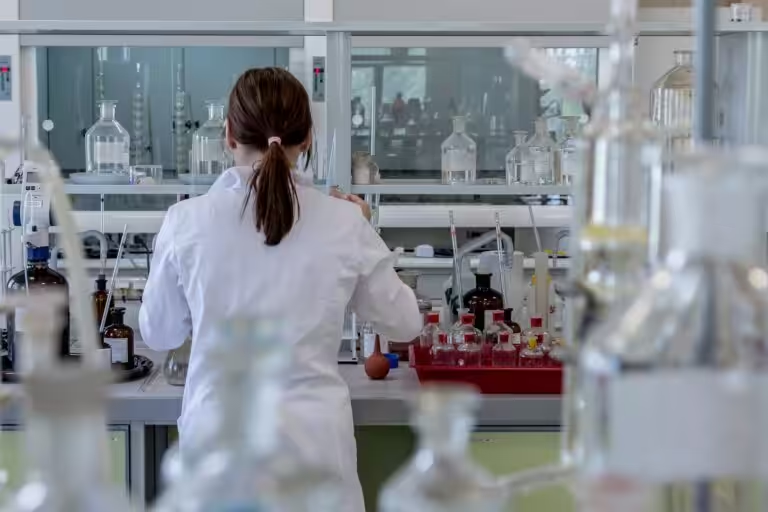
Fälschen von Safran – Eine Reise durch die Geschichte
Trotz der Bemühungen um Qualitätskontrolle und Standardisierung, gibt es bis in die Neuzeit hinein eine umfangreiche Geschichte von Safranfälschungen, insbesondere bei den günstigsten Sorten. Fälschungen

Safran Güteklassen und ISO 3632-2
Safran ist nicht gleich Safran. Es gibt immense Qualitätsunterschiede, die von diversen Kriterien abhängen. Diese sind z.B. die Anbauregion, die Farbe, das Alter, die Krokusart